Beginner's Guide to Kendo Practice
Expectations, basics, and beginning terminology
Parking
Parking is available right next to the building for Center for Blade Arts. Do not park near the Health Partners clinic as those spaces are for their use only. There is also a parking lot directly across the street that is an option.
Getting started
We encourage newcomers to watch a practice first and ask questions afterward—no obligation. We accept students ages 8 and up. New students typically begin with Thursday andSaturday classes until they have a grasp of the basics. See our practice schedule for times and location.
When can I start? New beginners are welcome any time during January, April, July, and October. Arrive at least 15 minutes early. No need to register in advance.
If you already have at least 6 months of kendo experience elsewhere, you can join us at any time. Please contact us to discuss your experience and how we can best accommodate you.
On your first day wear comfortable gym shorts and a t-shirt. We can provide a shinai to borrow; new shinai are available for $30. Bring $40 for the first month dues and a completed waiver. That's all you need to start.
Beginners learn the fundamentals that everything else builds on:
- Etiquette
- Footwork
- Posture and stance
- Basic strikes
- Equipment maintenance
- Repetitive drills
What you can expect
Months 1–3: Focus on the basics above.
Months 4–6: Join regular practice and learn from other members in full armor, building on what you've learned with more advanced drills.
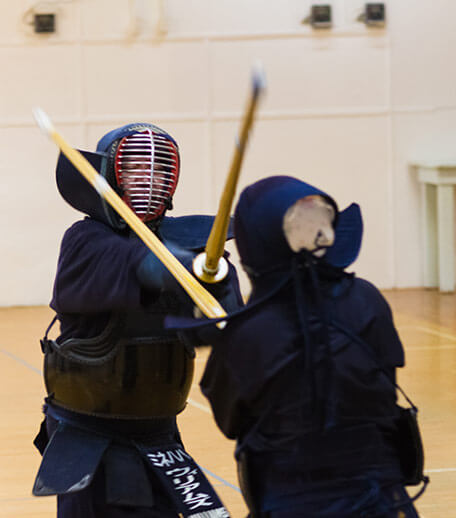
Months 6 and on: Put on bogu and participate in full practice — all drills, plus sparring. You'll be encouraged to attack often and use the techniques you've learned.
Everyone learns at a different pace; the timeline above is a rough guide. How often you attend practice will strongly affect how quickly you progress.
Quick answers for beginners
- No experience needed. We teach everything from scratch. No martial arts or fitness background required.
- Just want to watch? Come to any practice during January, April, July, or October and watch from the side. Ask questions afterward.
- Do I need to know Japanese? No. We use some Japanese terms (you’ll learn them), but instruction is in English.
- Injury or health concern? Let us know when you arrive so we can adapt. You can also email us first.
- No long-term contract. Start with the first month and see if kendo is for you.
Common kendo terminology
Here are some basic terms you'll hear as you begin. As you continue, we encourage you to seek other sources for more terms and context.
Etiquette
- Rei
- A bow; also etiquette and gratitude. You bow when entering and leaving the dojo.
- Rei-gi
- Matters of etiquette.
- Sonkyo
- The crouching position that begins and ends each bout.
- Seiza
- Sitting on your knees with your butt resting on your heels.
Equipment
- Bogu
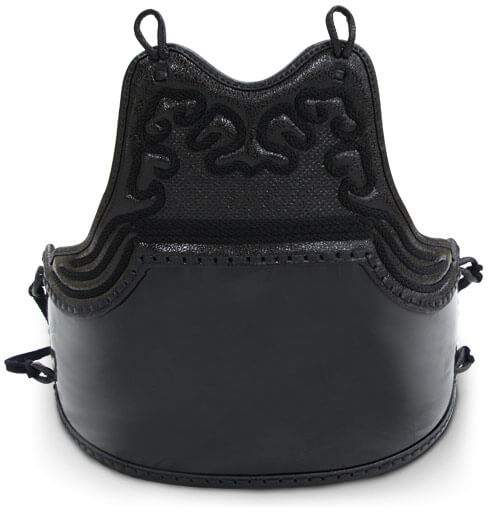
- Protective armor: men (helmet), kote (gauntlets), do (chest protector), and tare (waist protector).
- Shinai
- Bamboo sword made of four staves. Men's shinai is 39 inches; women's is 38 inches.
- Tenugui
- Also hachimaki. A light cotton cloth worn on the head under the men.
- Keiko-gi
- Practice jacket.
- Hakama
- Long, divided skirt-like trousers.
Practice
- Hajime
- "Begin."
- Kiai
- A shout expressing spirit.
- Kamae
- Basic stance.
- Suburi
- Repeated strikes without an opponent.
- Yame
- "Stop."
- Zanshin
- Mental and physical readiness, especially after completing an attack.